India’s private equity market is entering a more disciplined phase. Investors are increasingly focusing on larger, higher-quality opportunities, stronger fundamentals, and clearer paths to value creation.
In 1H 2026, India recorded US$20.5 billion of PE/VC investments across 604 deals. While investment value declined year-on-year, large deals above US$100 million accounted for 64% of total investment value, reflecting greater capital concentration.
For founders approaching mid-market PE investors in 2027, this means the fundraising conversation will increasingly go beyond growth and headline valuation.
1. Revenue Growth Alone Will Not Define the Investment Case
Strong revenue growth remains important, but investors are likely to examine the quality and sustainability of that growth.
Founders should be prepared to demonstrate:
- EBITDA and margin trajectory
- Cash-flow generation
- Customer concentration
- Recurring or predictable revenue
- Working-capital requirements
- Capital efficiency
- Competitive positioning
- Return on invested capital
A business growing rapidly but consuming disproportionate amounts of capital may require a stronger explanation than one demonstrating balanced growth and improving economics.
2. Due Diligence Will Go Deeper
Mid-market PE investors are likely to conduct detailed diligence before committing capital.
This can cover financial, tax, legal, commercial, operational, technology and governance aspects of the business.
Founders should therefore maintain clean financial records, documented contracts, appropriate compliance processes, reliable MIS reporting and clearly defined business processes.
Being “diligence-ready” can reduce friction and help investors understand the business more quickly.
3. Professionalisation Can Influence Investor Perception
As companies scale, investors increasingly look beyond the founder.
Management depth, governance structures, internal controls, financial reporting and decision-making processes can become important parts of the investment discussion.
A founder-dependent business may need to demonstrate how responsibilities can be institutionalised as the company grows.
For many mid-market businesses, professionalisation is not simply an administrative exercise—it can support scalability and future transaction readiness.
4. Investors Will Want a Clear Value-Creation Plan

PE capital is increasingly being evaluated alongside the value it can help create.
Deloitte’s 2026 analysis highlights operational transformation, AI-driven insights and active ownership as important value-creation themes in India’s PE market.
Founders should therefore be able to explain how new capital could translate into measurable outcomes:
Capital → Strategic Initiatives → Operational Improvement → Revenue/Margin Expansion → Enterprise Value
A clear roadmap can help investors understand not only where the business is today, but where it could be after the investment.
5. Valuation Will Need Stronger Support
A valuation number by itself is unlikely to be enough.
Founders should connect valuation to:
- Historical financial performance
- Growth assumptions
- Comparable companies
- Relevant transaction benchmarks
- Profitability and cash flow
- Market opportunity
- Future scalability
- Potential exit pathways
India’s PE market is also showing greater emphasis on disciplined capital deployment and strategic exits, making valuation justification increasingly important.
6. Exit Readiness Starts Before the Investment
Founders should think about the eventual exit before accepting PE capital.
Potential routes can include strategic acquisitions, secondary transactions, sponsor-to-sponsor deals, IPOs or investor/promoter buyouts.
In 1H 2026, India recorded US$9.4 billion in PE/VC exits across 95 transactions, demonstrating that liquidity and exit planning remain important parts of the investment cycle.
7. Investor Fit Will Matter
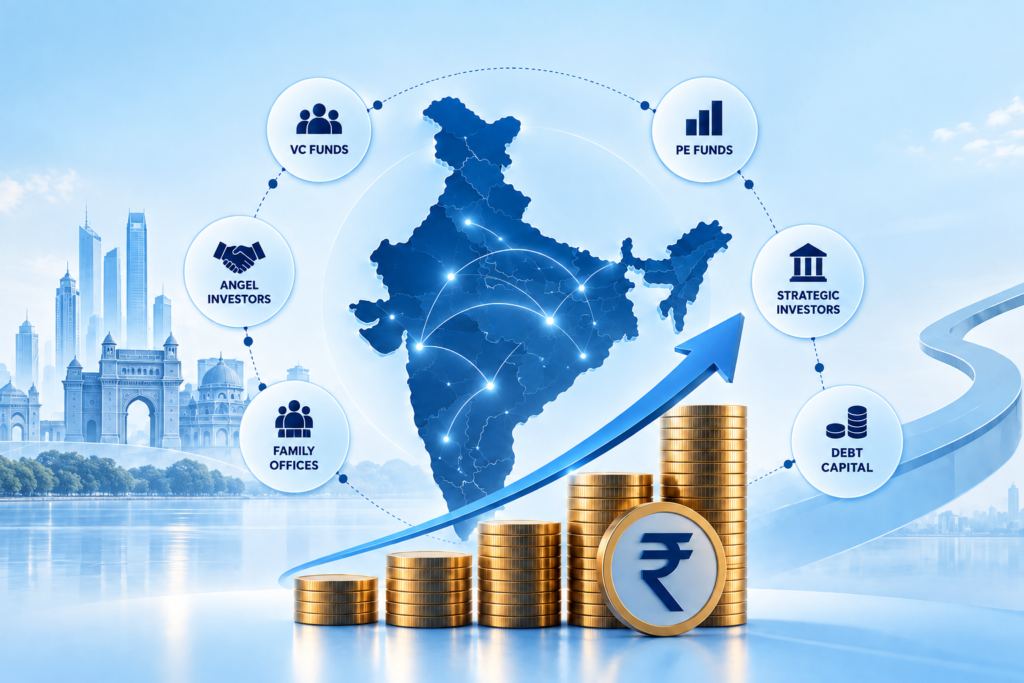
Not every PE investor will have the same sector focus, cheque size, ownership preference or value-creation strategy.
McKinsey’s analysis shows that a significant share of PE capital in India remains concentrated in sectors such as technology, financial services, IT services, healthcare and consumer businesses.
Founders should therefore focus on identifying investors whose mandate, investment horizon and expertise align with their business.
What Founders Should Prepare for 2027
Before approaching mid-market PE investors, founders should ideally have:
- Clean and consistent financial statements
- A credible financial model
- A defensible valuation
- Strong governance and reporting systems
- A clear use-of-funds plan
- A measurable value-creation roadmap
- A realistic exit strategy
- A well-defined investor targeting strategy
The Mid-Market PE Opportunity in 2027
India’s PE market is becoming more selective, but that does not mean opportunities are disappearing. Fundraising remains active, with EY reporting US$23.7 billion raised across 56 fundraises by July 2026.
For founders, the key shift is preparation.
In 2027, a compelling PE opportunity will need more than strong growth. It will need financial discipline, governance, scalability, a credible value-creation plan and visibility on future liquidity.
How Equity360 Can Help
Equity360 supports founders through key stages of the transaction process, including:
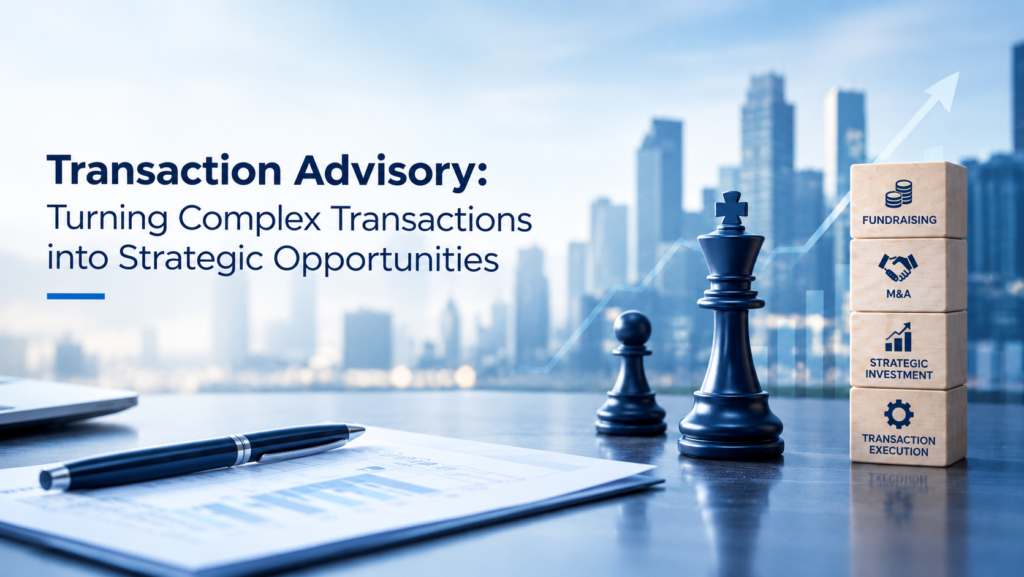
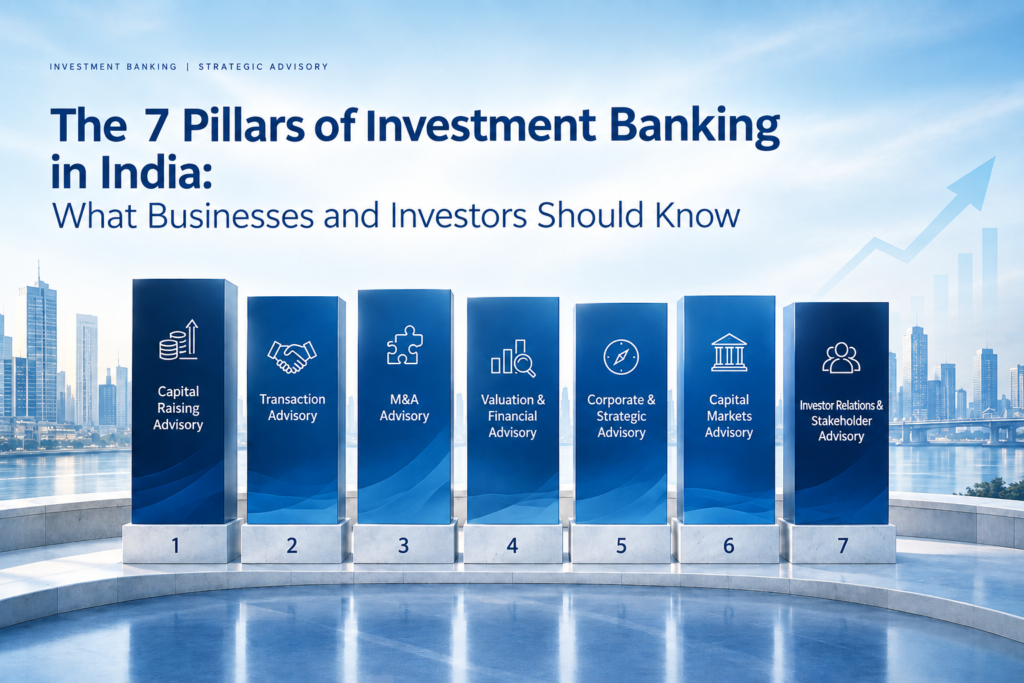
Fundraising Advisory | Valuation & Financial Modelling | Investor Positioning | Strategic Investor Identification | Transaction Structuring | Capital Raise Execution | Transaction Execution
The strongest PE conversations start when the business is ready, not when the capital is urgently needed.
With the right preparation, positioning and investor alignment, Equity360 helps founders turn growth ambitions into investment-ready opportunities and navigate the path from capital raising to successful transaction closure.